
Roof Leak Repair in BC: Finding the Source & Cost | NuRoof
How to Find the Source and What It Costs to Fix
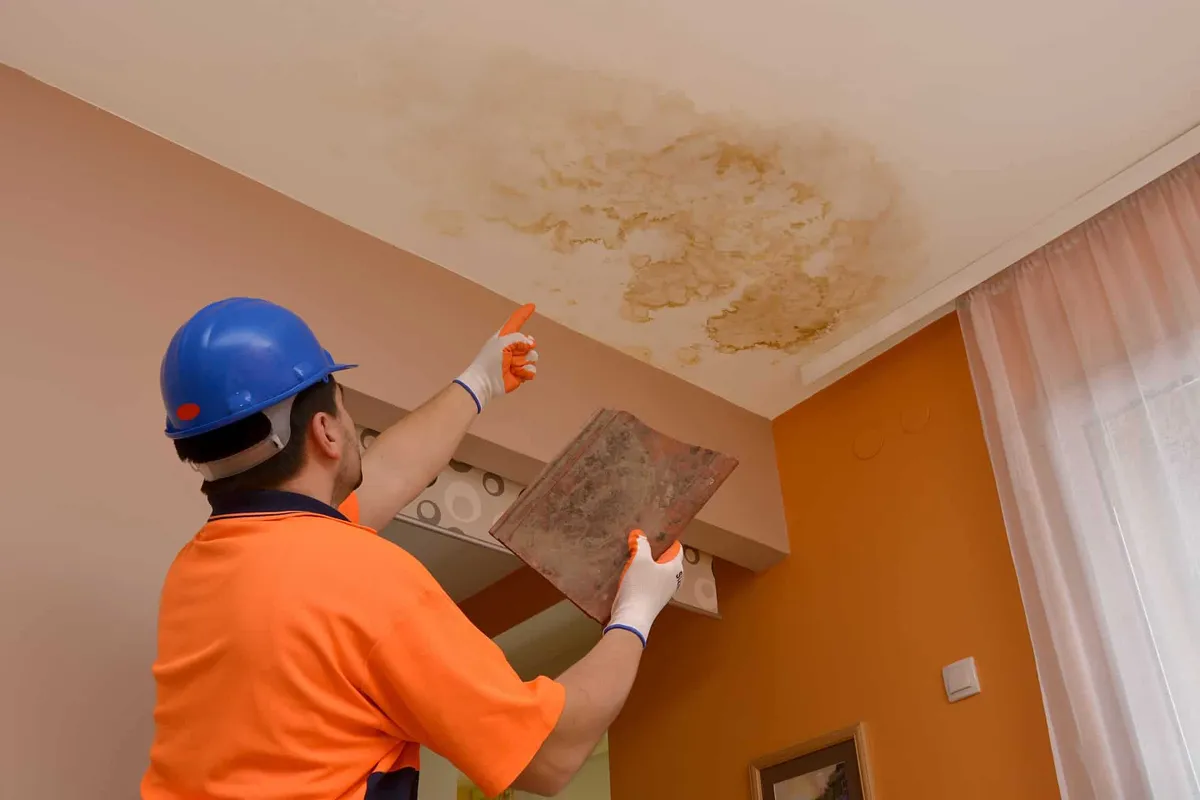
A brown ring on the ceiling. A drip that only shows up in a windstorm. A musty smell in the upstairs closet. However it shows up, a roof leak in British Columbia rarely fixes itself, and our rain gives it plenty of chances to get worse.
Vancouver International Airport averages about 1,189 mm of precipitation a year, spread over roughly 169 days. On the North Shore, the base of Grouse Mountain gets about twice that. A small gap in your roof gets tested over and over from October to April.
The good news: most roof leaks are a repair, not a new roof. The hard part is finding where the water actually gets in, because it is rarely right above the stain. This guide covers what to do right now, where BC roofs most often leak, how a roofer traces the source, and what repairs typically cost.
Roof leaking right now? Do this first
If water is coming in, limit the damage inside before you worry about the roof itself.
Catch the water. Put down a bucket or bin and lay towels around it. Move furniture, rugs and electronics out of the way.
Watch for electrical risk. If water is near a light fixture, pot light or outlet, switch that circuit off at the panel and keep everyone clear.
Relieve a bulging ceiling. If the drywall is sagging with trapped water, a small hole at the lowest point (a screwdriver works) lets it drain into the bucket. That is far better than the whole section letting go.
Take photos and video. Capture the stain, the drip and any damaged belongings, with the date. Your insurer will ask for them.
Stay off the roof. A wet roof is slippery, and most leaks can't be found or fixed safely in the rain anyway. WorkSafeBC requires roofers to use fall protection anywhere a fall of 3 m (10 ft) or more could happen. That is nearly every residential roof.
Call a roofer. A roofer can tarp or temporarily seal the area to stop more water getting in, then make a permanent repair once it is dry.
Why the stain is rarely where the leak is
Water that gets past your shingles almost never drops straight down. It runs along the underlayment, across the roof sheathing, down a rafter or along the top of the ceiling vapour barrier until it finds a low point. Then it drips.
That means the stain on your ceiling can sit several feet downhill of the real entry point. Patching the spot directly above the stain is the most common reason a "fixed" leak comes back. The rule roofers work by: start at the stain and look uphill.
The 7 most common places BC roofs leak
Shingles get the blame, but most leaks start where the roof is interrupted: a chimney, a vent, a skylight, or a change in direction.
1. Flashing
Flashing is the metal that seals the joints where your roof meets something else: chimneys, skylights, walls and dormers. It is one of the most common leak sources on any roof. Sealant at the joints dries out and cracks, step flashing along a wall can be missing or installed backwards, and chimney counter-flashing pulls away from the mortar. A flashing leak often gets worse in wind-driven rain from one direction.
2. Plumbing vent boots
Every plumbing vent pipe through your roof is sealed with a rubber or neoprene collar, called a boot. Over time the rubber dries out and splits around the pipe. Home inspectors commonly see them fail at around 10 to 15 years, which is often well before the shingles around them. A split boot usually shows up as a stain near a bathroom ceiling or around an interior wall.
3. Valleys
A valley is where two roof slopes meet and channel water together. It carries more water than any other part of the roof, so worn shingles, debris build-up or a poorly lapped valley shows up there first. Valley leaks tend to appear after long, heavy rain rather than a quick shower.
4. Skylights
Skylights leak in two ways: through the seal between the glass and the frame, or around the outside of the frame where it meets the roof. Water on the glass itself points to the unit. Water running down the drywall well around it usually points to the flashing.
5. Lifted, cracked or missing shingles
Windstorms lift shingle tabs and break the seal strip that holds them down. Once a tab is lifted, rain can be driven underneath it. Look for shingles in your yard or gutters after a storm, or a patch of roof that looks a different colour.
6. Clogged gutters and moss
BC's damp climate grows moss on north-facing and shaded roofs. Moss holds water against the shingles and can lift their edges as it grows. Gutters packed with needles and moss back up, and water can then wick under the first row of shingles at the eaves.
7. Flat roof seams and drains
Flat and low-slope roofs, common on BC garages, additions and modern homes, rely on sealed membranes such as torch-on (SBS). Leaks usually start at seams, around drains and scuppers, or where water ponds and sits after rain.
Not every "leak" is a leak: condensation and ice dams
Some winter water stains have nothing to do with a hole in the roof.
Attic condensation. Warm, moist air from the house rises into a cold attic and condenses on the underside of the roof deck. In a cold snap it can freeze as frost, then melt when it warms up and drip through the ceiling. Clues: dampness spread across the whole attic rather than one spot, water beading on nail tips, and "leaks" that appear after cold, dry weather rather than rain. The usual causes are poor attic ventilation or bathroom fans that vent into the attic instead of outside.
Ice dams. In the Interior, the North and at higher elevations, heat escaping through the roof melts snow, and the meltwater refreezes at the cold eaves. The ridge of ice backs water up under the shingles. The fix is better insulation and ventilation, not just roof repair.
How a roofer finds the source of a leak
A proper leak investigation works from the inside out, then confirms the answer with water. Here is the process, step by step.
Map it from inside. Note exactly where the stain or drip is, and when it appears. Then go into the attic with a flashlight and follow the water trail uphill: dark stains on the sheathing, wet insulation, rusty nails, or daylight showing through.
Inspect the roof above it. On the roof, the roofer checks everything uphill of the stain: flashing, vent boots, skylights, valleys, and any shingles that are lifted, cracked or missing.
Water-test if needed. If the source still isn't obvious, one person runs a garden hose over one section of roof while another watches inside. You start low and work uphill, giving each section several minutes before moving on. It is slow, but it is the only way to be certain.
Document it. You should get photos of what was found and a written explanation of the repair, before any work starts.
When it leaks tells you a lot
Keep a note of the weather each time you see water. The pattern narrows the search before anyone climbs a ladder.
When the leak shows up | Most likely cause |
|---|---|
During any rain, almost right away | A direct opening: missing shingle, cracked vent boot, failed sealant |
Only in wind-driven rain from one direction | Flashing on that side of the house: chimney, sidewall or skylight |
Only after long, heavy rain | Valleys, worn shingles, or a flat roof seam letting water soak through |
During cold, dry spells or as it warms after frost | Attic condensation, not a roof leak |
After snow, at the edge of the roof | Ice dams (Interior, North and higher elevations) |
Only when gutters overflow | Clogged gutters backing water up under the eaves |
What roof leak repair costs in BC
Most residential leak repairs in BC fall between a few hundred dollars and about $1,500. The ranges below are typical for the Lower Mainland in 2025 and 2026. Your price depends on what is found once the roof is opened up.
Repair | Typical cost (CAD) |
|---|---|
Replace a few missing or damaged shingles | $250 – $600 |
Flashing repair or replacement (one area) | $350 – $800 |
General leak repair (vent boot, sealant, small area) | $400 – $900 |
Skylight reseal or repair | $400 – $1,200 |
Flat roof patch (torch-on) | $500 – $1,500 |
Rotted decking or structural repair | $1,500 – $2,500+ |
After-hours emergency call | Add $200 – $500 |
What moves the price:
Height and pitch. A steep or three-storey roof needs more safety setup and takes longer.
Access. Tight lots, landscaping and solar panels in the way all add time.
Roof material. Cedar shakes, tile and metal cost more to repair than asphalt shingles.
Hidden damage. Wet or rotted sheathing under the leak has to be replaced, not covered over.
Timing. Emergency tarping in a storm costs more than a scheduled repair in dry weather.
The longer a leak runs, the more it costs. A $500 flashing repair can turn into new drywall, insulation and mould remediation inside if it is left through a BC winter.
Repair or replace? When a leak means more
A single leak on a roof in otherwise good shape is a repair. The question is whether the leak is a one-off or a sign the whole roof is near the end of its life.
A repair usually makes sense when:
The leak traces back to one spot, such as flashing, a vent boot or a few shingles
The rest of the roof is lying flat, with granules still on the shingles
The decking is solid when walked on
It is worth talking about replacement when:
You have had leaks in several places, or the same spot keeps coming back
Shingles are curling, cracking or losing granules across the roof
The decking feels soft or spongy
The roof is already near the end of its expected life
A good roofer will tell you which side of that line your roof is on, and show you photos to back it up. If you have already been quoted for a full replacement, a second opinion before you sign is reasonable.
Does home insurance cover a roof leak in BC?
Sometimes. Most home insurance policies in Canada cover damage that is sudden and accidental, such as a windstorm tearing off shingles or a tree branch puncturing the roof. They generally do not cover leaks caused by wear and tear or lack of maintenance, like an old roof that has slowly failed.
If you think you have a claim:
Photograph the damage inside and out before anything is repaired
Prevent further damage with a tarp or temporary repair, and keep the receipts
Call your insurer before booking permanent work
Check your deductible, since a small repair may cost less than it
Every policy is different, so read yours or ask your broker for the exact wording.
How to prevent the next leak
Most leaks give warning signs months before water reaches the ceiling. A few habits catch them early.
Clean your gutters in late fall and again in spring
Treat moss before it lifts shingles, and never pressure-wash a shingle roof
Walk around the house after every windstorm and look for lifted or missing shingles
Check vent boots, skylights and chimney flashing from the ground with binoculars
Trim branches that overhang or rub against the roof
Make sure bathroom and kitchen fans vent outside, not into the attic
Book a professional roof inspection every fall, before the rainy season
Hiring a roofer for leak repair in BC
Before anyone goes up on your roof, check four things.
WorkSafeBC clearance letter. It confirms the company is registered and paid up. If an unregistered contractor's premiums go unpaid, the homeowner who hired them can be held responsible.
Liability insurance. Ask for a certificate, not just a verbal yes.
Written findings and quote. You should see photos of the problem and a clear description of the repair before work starts.
Workmanship warranty in writing. Ask how long the repair is guaranteed and what it covers.
Book a free roof inspection with NuRoof
NuRoof repairs roof leaks across British Columbia, including flashing, vent boots, skylights, valleys, shingles and flat roofs. We also offer a 24/7 emergency leak service when water is coming in now.
Not sure where your leak is coming from? Book a free roof inspection. We walk the whole roof, check the flashing, vents and valleys, photograph everything we find, and give you a written summary. There is no cost and no obligation, and if all you need is a repair, that is what we will recommend.
Call 604-910-0299 or request your free inspection online.
Frequently asked questions
How do I find where my roof is leaking?
Start at the stain and look uphill. From the attic, follow water trails, stained sheathing or rusty nails toward the high side of the roof. Common sources are flashing, vent boots, valleys and skylights. If the source still isn't clear, a roofer can water-test sections of the roof with a hose.
How much does it cost to fix a roof leak in BC?
Most residential leak repairs cost between about $250 and $1,500. Simple shingle or vent boot repairs are at the lower end. Skylights, flat roofs and repairs that uncover rotted decking cost more. Emergency after-hours calls usually add $200 to $500.
Can a roof leak be fixed in the rain?
A roofer can usually stop more water getting in with a tarp or temporary seal, even in bad weather. A permanent repair generally needs dry conditions so sealants and new materials bond properly.
Is a roof leak an emergency?
It is if water is actively coming in, a ceiling is sagging, or water is near electrical fixtures. Contain the water, switch off affected circuits, and call a roofer. A slow, occasional drip still needs prompt attention, since hidden rot and mould grow quickly in BC's damp climate.
Will home insurance cover my roof leak?
Often, if the damage was sudden and accidental, such as wind or a falling tree. Usually not, if the leak came from age, wear or missing maintenance. Check your policy wording and deductible, and photograph the damage before repairs.
Why does my roof only leak in heavy wind?
Wind drives rain sideways and uphill, under shingle edges and behind flashing. A leak that appears only in wind-driven rain often points to flashing on that side of the house, or shingles whose seal strips have let go.
